
Resolving Complex Dog Behavior Issues with Professional Board and Train
Living with a dog who barks constantly, starts fights, or panics whenever you step out the door is exhausting. You know there is a great companion underneath all that stress, but trying to fix ingrained habits on your own usually leads to burnout instead of progress. Most serious behavior problems are not about a dog being stubborn or “bad.” They almost always trace back to fear, missed experiences before the 20-week puppy socialization window closed, or intense working drives that have nowhere productive to go.
Dogs do not have to stay stuck in those reactive patterns, and neither do you. With clear boundaries and consistent communication, dogs of any breed can learn how to settle down and make better choices. An immersive board and train program takes the weight off your shoulders by giving your dog round-the-clock consistency away from daily household triggers, helping them build lasting calm while giving you your home and peace of mind back.
Managing and Resolving Excessive Barking
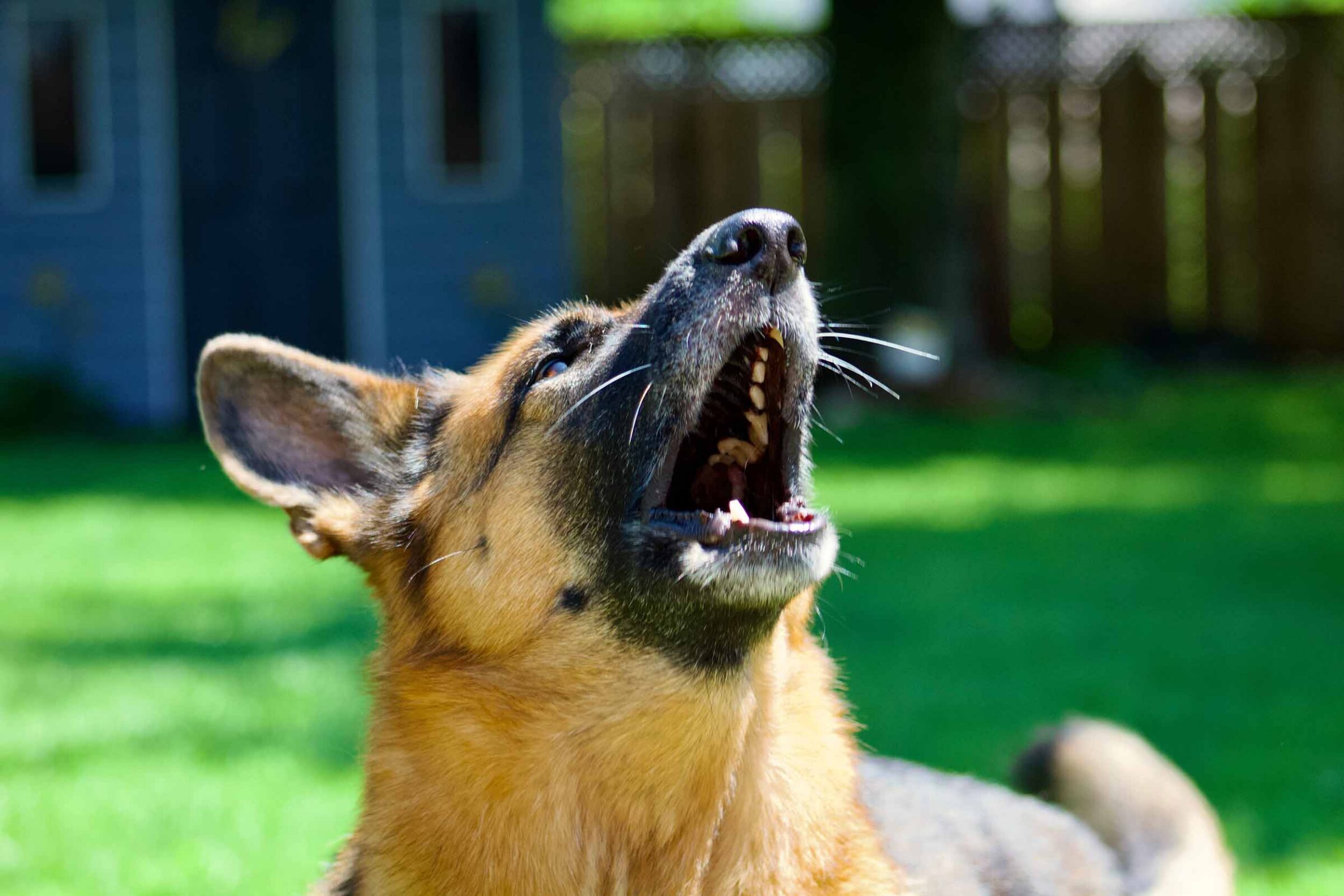
All dogs bark, and there’s no fixing that. It’s how they communicate with humans and other animals, signaling that they want attention or that this patch of land belongs to them. When reasonable barking turns excessive, it becomes a nuisance to neighbors and a major strain on the dog-owner relationship. Unlike normal barking, this type of barking can be fixed with training and management.
Primary Causes of Excessive Barking
Understanding the specific emotional driver behind repetitive vocalization enables owners to address the root need directly. Several physiological and developmental factors commonly accelerate barking across domestic breeds:
- Genetics: Dogs bred for guarding purposes are predisposed to excessive barking.
- Poor Socialization: If your dog isn’t properly socialized, unfamiliar stimuli evoke fear and a barking response.
- Lack of Attention: Working dogs like collies and huskies require mental and physical stimulation. This need must be addressed to avoid boredom barking.
- Unintentional Reinforcement: When dogs bark because they want something, you reinforce the behavior by giving in to their demands.
- Old Age: Just like humans, dogs can experience cognitive decline as they age. This often results in excessive barking, especially at night.
How Immersive Camp Solves Chronic Barking
Board-and-train camps resolve chronic barking by removing dogs from daily household triggers and establishing calm responses through structured daily immersion. Intensive residency concentrates weeks of focused practice into continuous, round-the-clock routines that build genuine impulse control. Building on that foundation, certified trainers establish dependable communication channels that teach dogs how to relax in distracting environments.
At BlackPaw Dog Training, our balanced boarding school model helps vocal companions develop quiet, self-regulated demeanors. Our methodology pairs gentle e-collar communication through the proprietary E-touch & Force Free Method™ with large-field pack socialization on our four-acre facility. As a result, dogs master clear boundary cues and retain lasting calmness that transfers seamlessly back home.
Rehabilitating Dog-to-Dog Aggression and Reactivity
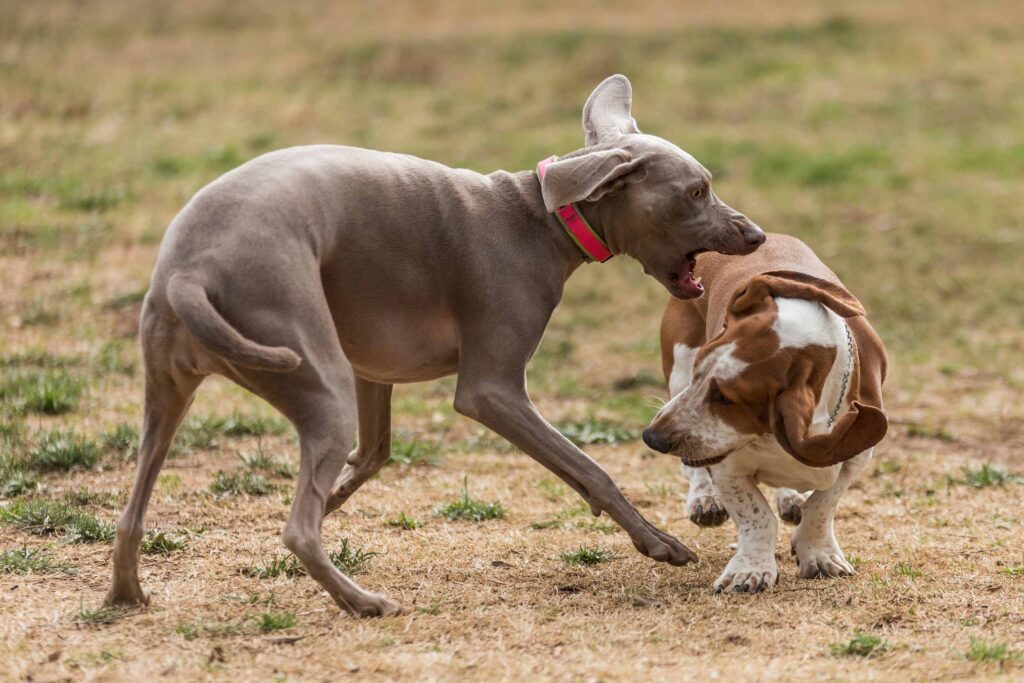
Dogs often roughhouse with each other while playing, which is natural and healthy behavior. These interactions are usually light-hearted, with both dogs equally engaged, vocal, and able to respond to external stimuli. When high arousal shifts into predatory fixation, hard posturing, or snapping, it represents a serious behavior problem. If you keep your dog on a short leash and avoid taking them around other dogs, it’s time to correct the behavior.
Why Do Dogs Fight Each Other?
Canine aggression typically presents identifiable warning signs that trace back to specific emotional triggers and previous negative encounters. Professional evaluation pinpoints several fundamental causes behind dog-to-dog altercations:
- Poor Socialization: Dogs who are uncomfortable in unfamiliar situations can become overly possessive of items or wary of other dogs, which can lead to fighting.
- Trauma Response: Early trauma causes severe psychological harm to a dog. In situations where the trauma is recreated, they often react by fighting.
- Sibling Rivalry: Dogs adopted from the same litter can develop Littermate Syndrome, which can result in aggression towards each other.
- Resource Defense: High-value items such as food bowls, favorite toys, resting beds, or human companions frequently trigger territorial guarding against other animals.
Immersive Rehabilitation in the Total Behavior Reboot
While other behavior issues only cause inconvenience or annoyance, fighting is downright dangerous. If left unaddressed, it can result in serious injury or even death. Teaching your dog the correct response to situations and acceptable behavior means removing them from a familiar environment and administering expert training. BlackPaw Dog Training’s three-week Total Behavior Reboot program supplies both.
BlackPaw’s Certified Professional Dog Trainers work closely with aggressive dogs to show them how to behave around other dogs and unfamiliar people. Our four-acre training center provides plenty of room for your pup to socialize with our non-aggressive dogs. We take a cautious approach to keep everyone safe. As your dog becomes more comfortable, the socialization becomes more relaxed. Our success with helping aggressive dogs has improved the lives of numerous dogs and their families. If your pup has concerning behavior issues that have become a safety issue, consider the rehabilitative power of training camp.
Resolving Severe Separation Anxiety in Canines
Separation anxiety is a common issue that affects between 22.3 and 55% of dogs. When left alone, your dog may exhibit behaviors such as constant whining or barking, destructive chewing and scratching, indoor toileting, or even self-injury. These are all signs of their anxiety, and just like excessive barking and fighting with other dogs, separation anxiety often stems from underlying fears and insecurities.
Causes of Separation Anxiety in Dogs
Canines develop isolation anxiety through an interplay of inherited temperaments, developmental experiences, and routine shifts. Identifying these underlying contributors helps trainers formulate targeted desensitization protocols:
- Genetics: Dogs bred for loyalty build close bonds with their people and are more prone to separation anxiety.
- Previous Trauma: Dogs with a history of abandonment may feel separation anxiety.
- Littermate Syndrome: Adopting two dogs from the same litter may lead to extreme attachments with each other and cause major stress when they are separated.
- Abrupt Schedule Shifts: Sudden life transitions such as family moves, returning to in-office work, or extended travel disrupt established domestic predictability.
Fixing Separation Anxiety at Training Camp
Professional boarding school programs resolve separation panic by interrupting dysfunctional home codependency and teaching dogs how to self-soothe. Daily crate mechanics, gradual isolation exposure, and predictable schedules build internal canine confidence across daily routines. In turn, dogs learn that being alone is a safe, routine part of everyday life.
This specific behavioral struggle holds personal meaning for the BlackPaw Dog Training team. Founder Bernadette Pflug rehabilitated her own German Shepherd, Ranger, from debilitating separation distress through clear communication, structured discipline, and purposeful Search & Rescue training. That foundational success shaped the compassionate, step-by-step framework that BlackPaw Dog Training uses for every anxious dog entering our care.
At home, well-meaning owners frequently intensify panic through protracted goodbyes, emotional greetings, and constant physical contact. Our camp program resets this dynamic immediately by introducing structured crate routines that transform resting spaces into serene sanctuaries. Mild cases achieve rapid stability in our two-week Perfect Pooch program, and deep-seated panic receives intensive rehabilitation in the three-week Total Behavior Reboot.
Overcoming Resource Guarding Behaviors
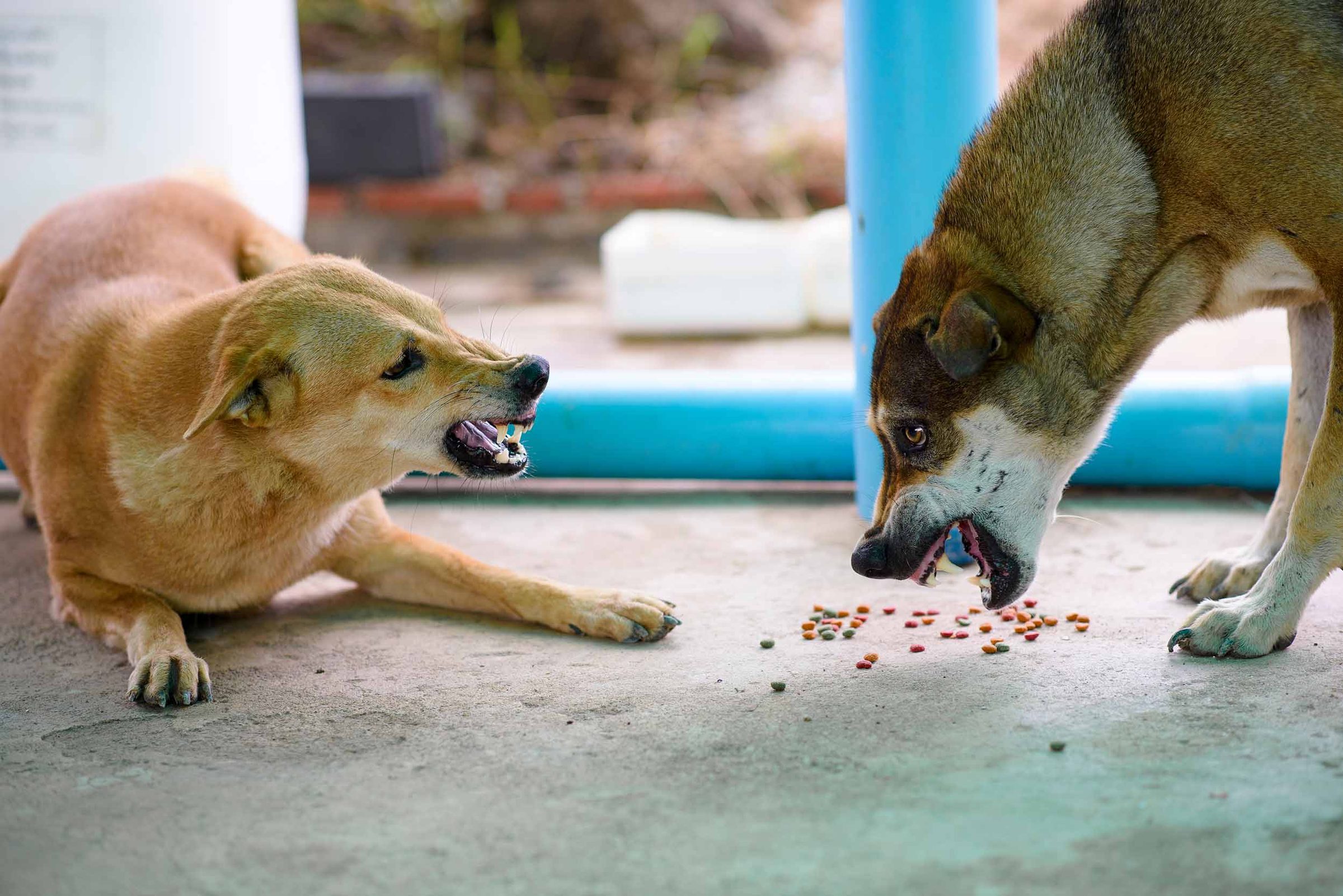
A dog that freezes over a food dish, growls when approached with a toy, or hoards stolen laundry exhibits classic resource guarding. This behavior begins with subtle warning signals like hard stares or body stiffening and escalates to snapping or biting if those initial boundaries are pressed. Because children rarely recognize subtle canine body language, resource guarding stands among the most critical dog behavior issues for families to address.
Underlying Drivers of Possession Guarding
Resource guarding originates from an innate survival mechanism designed to preserve sustenance and territory. Several developmental experiences and household habits further amplify this defensive instinct:
- Evolutionary Survival Instincts: Wild canines protected food caches and resting zones to survive, preserving a primal impulse that remains active in domestic dogs.
- History of Scarcity: Dogs originating from overcrowded rescue litters or stray environments frequently retain defensive habits formed when competing for limited meals.
- Inadvertent Human Chase Games: Pursuing a dog that snatches a household item transforms the object into a high-stakes trophy, reinforcing defensive retention.
- Gaps in Handling Socialization: Dogs lacking early positive conditioning around human touch often view any proximity during meals as an imminent threat to their possessions.
Restoring Trust and Yielding Through Camp Training
BlackPaw Dog Training’s board-and-train programs teach dogs to willingly yield valued objects on cue by establishing calm human leadership around food and toys. Handlers introduce clear boundaries based on natural canine psychology and horsemanship principles, demonstrating that releasing an item is completely safe and rewarding. Consequently, dogs replace protective defensiveness with voluntary cooperation that holds steady in high-distraction home settings.
Direct behavioral conditioning prepares dogs for real-world family moments, such as toddlers wandering near food bowls or dropped items on kitchen floors. Trainers systematically practice with items of increasing value, rewarding every calm release until yielding becomes an automatic, stress-free habit. In turn, families enjoy relaxed companions who happily share physical space, toys, and mealtimes with complete confidence.
The Common Threads of Dog Behavior Issues
As you may have noticed, unwanted behavior often stems from similar causes. Whether rooted in genetics, poor socialization, or past trauma, the underlying psychological factors often come to a head with excessive barking, fighting other dogs, or separation anxiety. However, the solution to these diverse problems can often be found in a singular approach: the comprehensive training provided by a reputable dog training camp.
These camps offer a structured environment where dogs receive targeted attention, behavioral modification techniques, and socialization exercises tailored to their individual needs. By addressing the root causes of their behavior and providing consistent guidance, training camps empower dogs to overcome their challenges and foster healthier relationships with their owners. At BlackPaw Dog Training, our Boarding School programs target the common threads connecting these issues, giving your furry companion the tools to thrive through compassionate and effective training methods.
Does your dog need help with behavior issues?